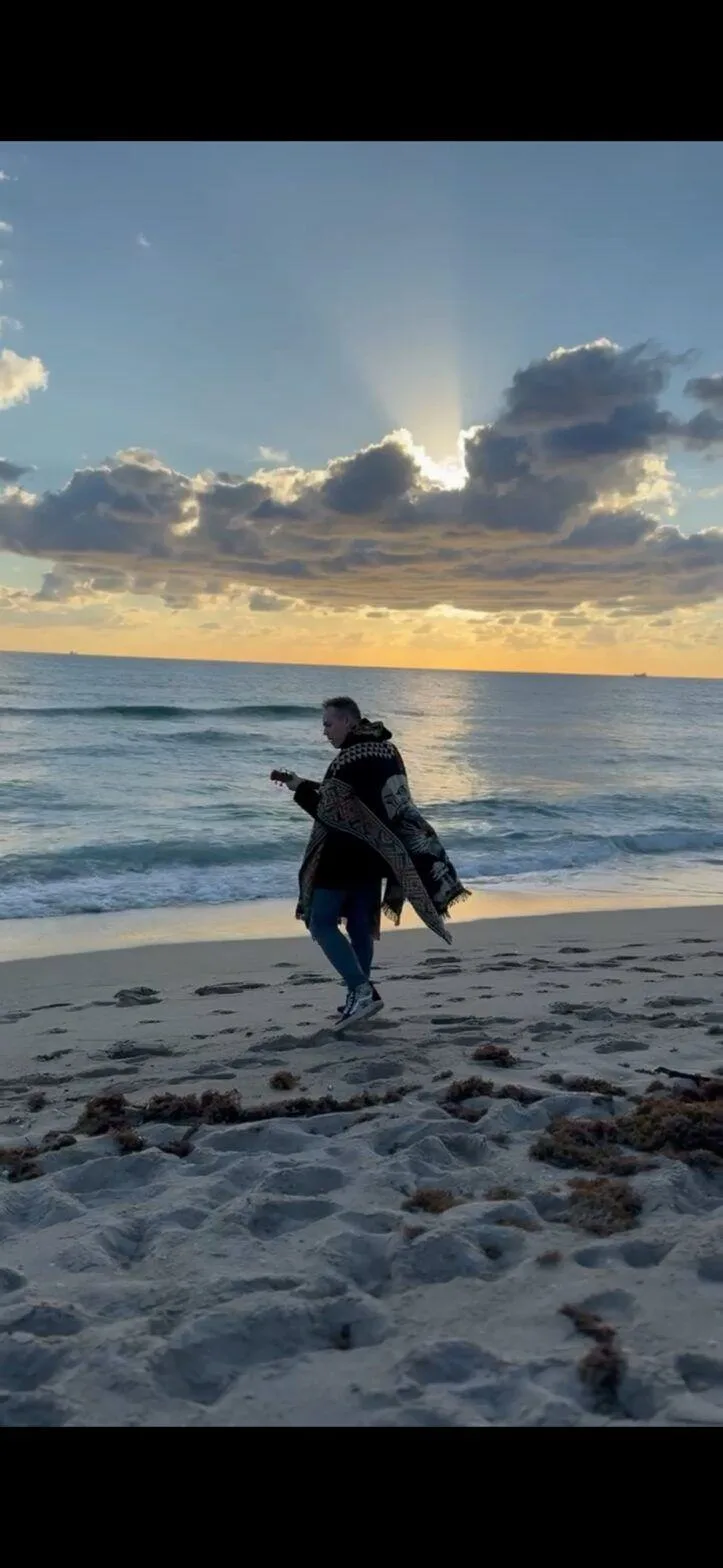
Why the ukulele
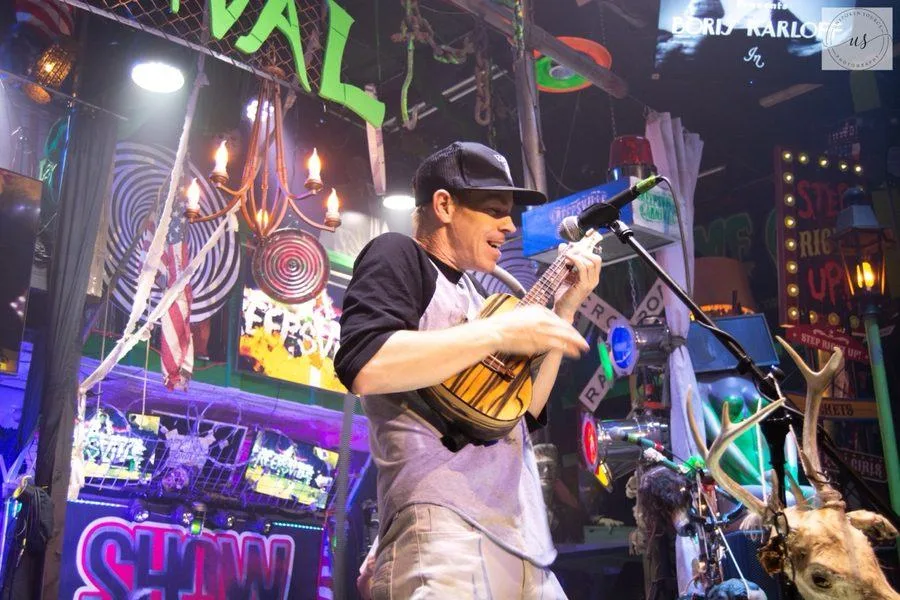
People always ask. Part of it is simple. It's fun. There's a joy in holding a small instrument that doesn't take itself too seriously and making something real come out of it.
But the deeper reason is that it's one of the best neuroplasticity tools I've found. Playing while holding a conversation. Maintaining eye contact. Standing on one leg (sometimes on The Pivot, a one-footed balance cap I invented). Observing the room. Writing new lyrics in real time. All at once.
That's not performance. That's a multi-channel cognitive load protocol disguised as a good time. It trains divided attention, motor coordination, linguistic improvisation, proprioceptive awareness, social attunement, and emotional regulation simultaneously. No lab protocol could replicate the density of that training, because no lab protocol makes you laugh while you do it.
Laughter matters. It changes the neurochemical environment. It drops cortisol. It shifts vagal tone. And it makes the brain willing to attempt things it would refuse under clinical conditions. The ukulele is the delivery vehicle for all of that.
The didgeridoo: where it all started
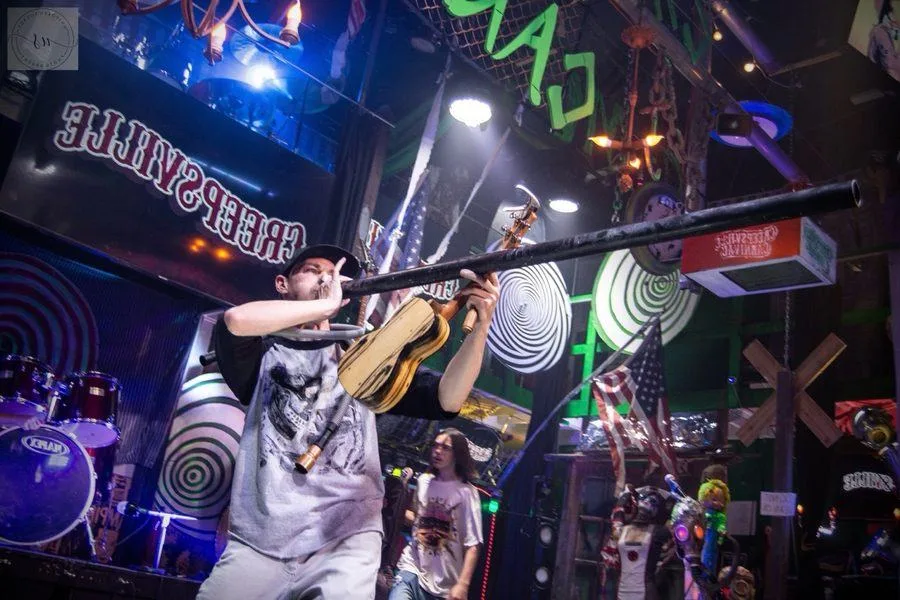
Twenty years ago, I picked up a didgeridoo with no idea what I was doing. What I found was that circular breathing, the technique you have to learn to play the instrument, changed how my entire nervous system operated.
The vibration, the breath pattern, the resonance inside the skull and chest cavity. It was a full-body physics lesson disguised as a musical instrument. The drone of a didgeridoo produces standing waves in the thoracic cavity that measurably alter fascial tension and vagal tone. The circular breathing technique requires simultaneous diaphragmatic control, cheek compression, and nasal inhalation, training respiratory coordination that most people never develop.
That instrument opened every door that followed. Vibration led to fascia. Fascia led to the tongue. The tongue led to balance. Balance led to interoception. Interoception led to infrared. And infrared led to the physics of how living systems emit, absorb, and exchange energy with each other.
Music across genres
I create music across multiple genres, country, death metal, punk, hip-hop, specifically for use within my teaching practice. Each genre accesses a different physiological state. A death metal growl engages the thoracic diaphragm and laryngeal musculature in ways that a lullaby never could. A country ballad invites vagal softening. A punk track mobilizes sympathetic activation.
Music is not decoration. It is a vibration input that reorganizes the system. The genre determines which tissues respond, which autonomic pathways activate, and which emotional states become accessible. Using multiple genres in a single training session creates a hormetic bandwidth, the capacity to move through a wide range of states without getting stuck in any one.
How it started
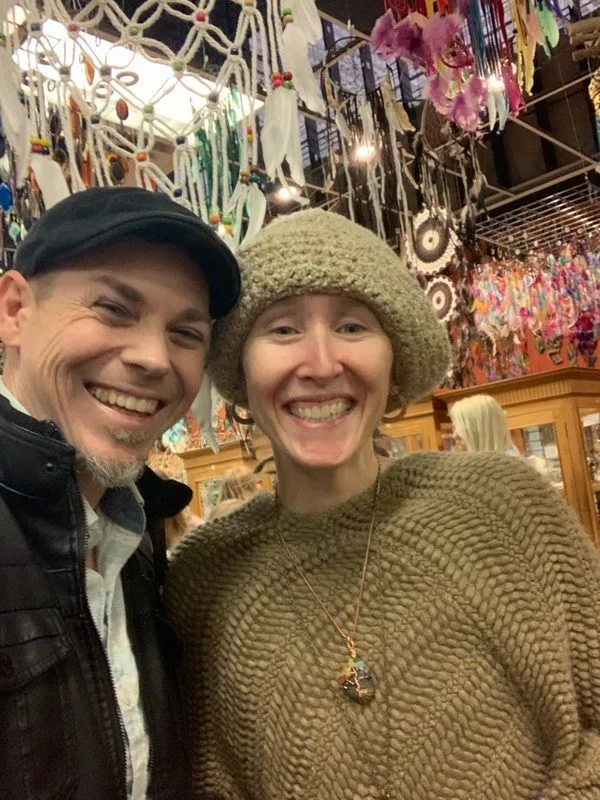
She saw a broke kid staring at a bamboo didgeridoo he couldn't afford. I saw someone who might let me have it anyway. Both things were true at the same time.
I was homeless. I was also full of wonder. Those two things lived in the same body, in the same afternoon, in the same store. Black Market Minerals, Mills Mall, Arizona. She hooked me up. And that instrument split my life into before and after.
Busking with a didgeridoo felt like earning something in a way panhandling never did. It brought other musicians, other people drawn to strange sounds in public spaces. Community showed up without me chasing it. And it felt good in a way I didn't have language for yet.
What I didn't know: I was rebuilding my upper respiratory airway. Balancing brainwave patterns in a PTSD-riddled brain. Dropping into parasympathetic states my body had forgotten existed. Sleeping better. Breathing better. The instrument was doing what no therapist had managed to do, and I had no idea.
Then something shifted. Instead of hunting for parties, I was on my skateboard hunting for resonance. Underpasses, stairwells, parking garages, anywhere sound did something interesting to itself. I started calling myself a resonance hunter. And resonance hunting filled the hours that addiction used to fill.
That was also when the tongue started teaching me. Playing the didgeridoo, you become intimate with your tongue in ways most people never experience. I started sensing how much of the body's architecture runs through that one overlooked organ. It would take years before I understood what I'd stumbled into.
I kept going back to her store. Not once. For twenty years. To shop, to say hi, to bring my kids in, to let her watch what one kind gesture had set in motion. She got to see the whole arc. The broke kid becoming a father, a healer, a builder. All from a bamboo tube she discounted for someone who had nothing.
Black Market Minerals closed. I don't know where she is now. But if she finds this page: thank you. I'd love to gift you a didgeridoo I made.
Experience sound in a live training →